Table Of Contents
Comparing Roof Replacement Programs in Different Counties
In New Jersey, roof replacement programs can vary significantly from county to county. Each county may offer different levels of financial assistance, eligibility requirements, and types of materials supported. For instance, some counties provide grants, while others may have low-interest loan options to make roof replacement more accessible to homeowners. The available funding often depends on local budgets and the specific needs of communities, which can lead to disparities in the support offered.
Counties may also differ in the extent to which they promote energy-efficient practices during roof replacement projects. While some areas might prioritize green roofing options or solar roof installations, others may focus solely on traditional materials. This variation affects not only the energy efficiency of homes but also the overall impact on community aesthetics and long-term sustainability efforts. Homeowners should research the specific programs available in their county to determine the best options for their roof replacement needs.
County-Specific Variations in Support
County-specific programs for roof replacement often reflect local government priorities and available funding. For example, some counties may prioritize older homes or low-income families, ensuring that those in greatest need have access to assistance. Others might focus on energy efficiency, encouraging homeowners to invest in modern roofing solutions that can lead to long-term savings. This variability can affect eligibility requirements, application processes, and the overall amount of financial support available.
In certain counties, partnerships with local nonprofits or community organizations can enhance roof replacement initiatives. These collaborations may provide educational resources to homeowners about the benefits of timely roof replacement, ensuring that individuals can make informed decisions. Additionally, some counties may offer workshops or consultations to aid residents in understanding the various roofing materials and their implications for home durability and energy efficiency. This localized approach fosters a greater awareness of the importance of maintaining a reliable roof over one’s home.
Importance of Proper Roof Maintenance
Regular roof maintenance is a crucial aspect of home ownership. A well-maintained roof not only enhances the aesthetic appeal of a property but also plays a vital role in protecting the underlying structure from water damage and other elements. Neglecting this responsibility can lead to significant deterioration over time, potentially resulting in expensive roof replacement. Homeowners who implement routine inspections and necessary repairs can avoid the need for premature replacements and extend the lifespan of their roofs.
Proper maintenance includes cleaning gutters, replacing damaged shingles, and ensuring proper ventilation. These tasks contribute to the overall health of the roof, helping to prevent leaks and other complications. Understanding the importance of roof maintenance goes beyond just preventing costly roof replacement; it also provides peace of mind knowing the home is safeguarded from the threats posed by weather and environmental factors. Investing time and resources in this area ultimately pays off in the long run.
How Maintenance Can Extend Roof Lifespan
Regular maintenance plays a crucial role in extending the lifespan of a roof. Homeowners should schedule inspections at least twice a year to identify and address potential issues before they escalate. Simple tasks like cleaning gutters, removing debris, and checking for damaged shingles can prevent leaks and structural damage. An aging roof is more susceptible to weather-related wear and tear. Keeping it in good condition can delay the need for roof replacement.
Furthermore, proper maintenance helps maintain the integrity of roofing materials. This includes ensuring adequate ventilation and checking for signs of moss or mildew growth. Addressing these problems early can significantly reduce the likelihood of extensive damage. Choosing to invest time and resources in maintaining a roof can ultimately save homeowners from the high costs associated with premature roof replacement.
Common Roofing Materials Supported by Programs
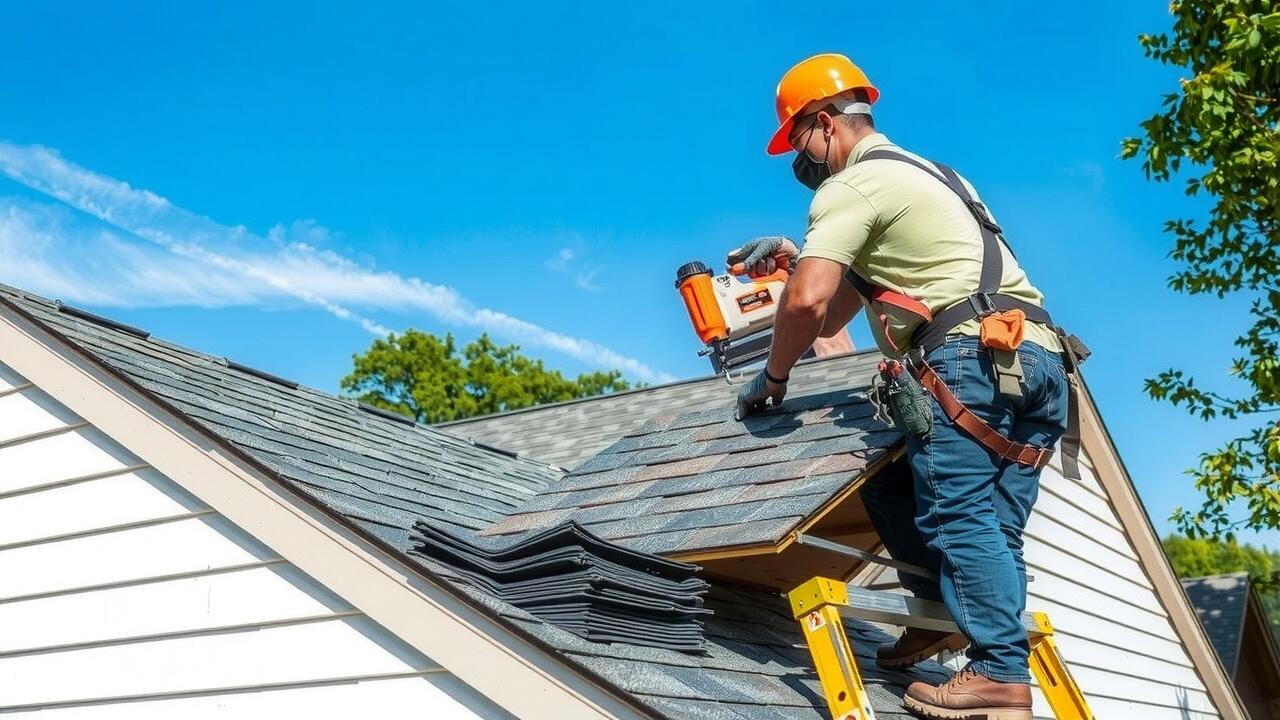
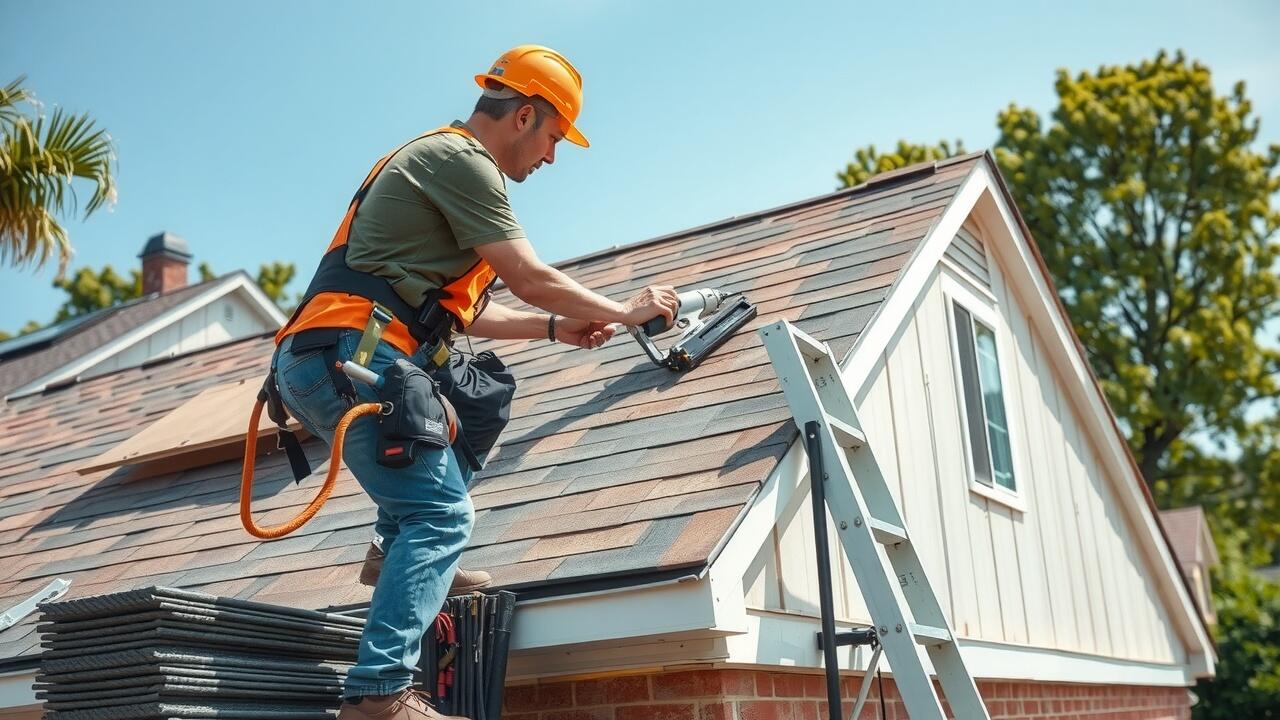
Various programs across New Jersey support specific roofing materials recognized for their durability and performance. Shingle roofing, often made from asphalt, is one of the most common materials approved by these programs. Its affordability and ease of installation make it an attractive choice for homeowners seeking roof replacement assistance. Additionally, metal roofing has gained popularity due to its resilience and energy efficiency, with many programs endorsing its use for long-term savings.
Tile and slate roofing materials also receive support within certain counties, appealing to those looking for enhanced aesthetics and longevity. Each material offers different benefits, and the right choice can significantly impact not only the roof's lifespan but also a home’s overall energy efficiency. Understanding the supported materials can help homeowners make informed decisions as they explore roof replacement options through state-funded initiatives.
Choosing the Right Material for Your Home
When considering roof replacement, selecting the appropriate roofing material is crucial for both durability and aesthetic appeal. Homeowners should evaluate options such as asphalt shingles, metal roofing, and clay tiles, each offering unique benefits and varying price points. Asphalt shingles are popular due to their affordability and ease of installation, while metal roofing provides longevity and energy efficiency. Clay tiles, though more expensive, can enhance a property's visual charm and withstand harsh weather conditions.
The climate in New Jersey plays a significant role in determining the best roofing material. Areas that experience heavy snowfall may require materials that can withstand the weight and moisture. Additionally, homeowners should consider factors such as maintenance needs, warranties, and environmental impact when making their choice. A well-informed decision not only ensures the longevity of the roof but also contributes to the home's overall value and curb appeal.
FAQS
Does New Jersey have a roof replacement program for homeowners?
Yes, New Jersey has several roof replacement programs available through various counties, aimed at assisting homeowners with financial support for roofing repairs and replacements.
What types of financial assistance are offered through these programs?
The programs may offer grants, low-interest loans, or subsidies to help cover the costs associated with roof replacement or repairs, depending on the specific program and county.
How can I find out if my county has a roof replacement program?
You can check with your county's local government website or contact their housing or community development office for information on available roof replacement programs.
Are there specific eligibility requirements to qualify for these roof replacement programs?
Yes, eligibility requirements can vary by county and program but generally include factors such as income level, homeownership status, and the condition of the existing roof.
What are the common roofing materials supported by these roof replacement programs?
Most programs support common roofing materials such as asphalt shingles, metal roofing, and tiles, but it’s best to check with the specific program for any restrictions or guidelines on materials.