Table Of Contents
How to Choose a Roofing Professional
Choosing a qualified roofing professional requires careful consideration of various factors. Begin by researching local contractors to find those with strong reputations and positive reviews. Look for companies that specialize in roof inspections, as this indicates a level of expertise you may require. Verify their licensing and insurance to ensure they meet industry standards and can be held accountable for their work.
Another important aspect to consider is the experience of the roofing professional. It’s beneficial to select someone who has been in the industry for several years and has performed numerous roof inspections. Ask for references or examples of past work to gauge their quality and attention to detail. A seasoned professional will not only identify issues but also provide recommendations for repairs or maintenance based on their extensive knowledge.
Evaluating Credentials and Experience
When evaluating a roofing professional, it is crucial to review their credentials and experience thoroughly. Look for professionals who hold appropriate licenses and certifications, which indicate they possess the necessary training and expertise. Additionally, check for memberships in reputable industry organizations. These affiliations can signal a commitment to professional development and adherence to certain standards in roofing practices, particularly for roof inspection services.
Experience plays a significant role in determining the quality of a roof inspection. A contractor with several years in the industry is likely to have encountered a variety of roofing issues and can identify potential problems more effectively. Request references and examples of previous work to gauge their track record. A seasoned professional should also be willing to explain their inspection process and how they approach common roofing concerns, ensuring transparency and building trust in their services.
What to Expect During a Roof Inspection
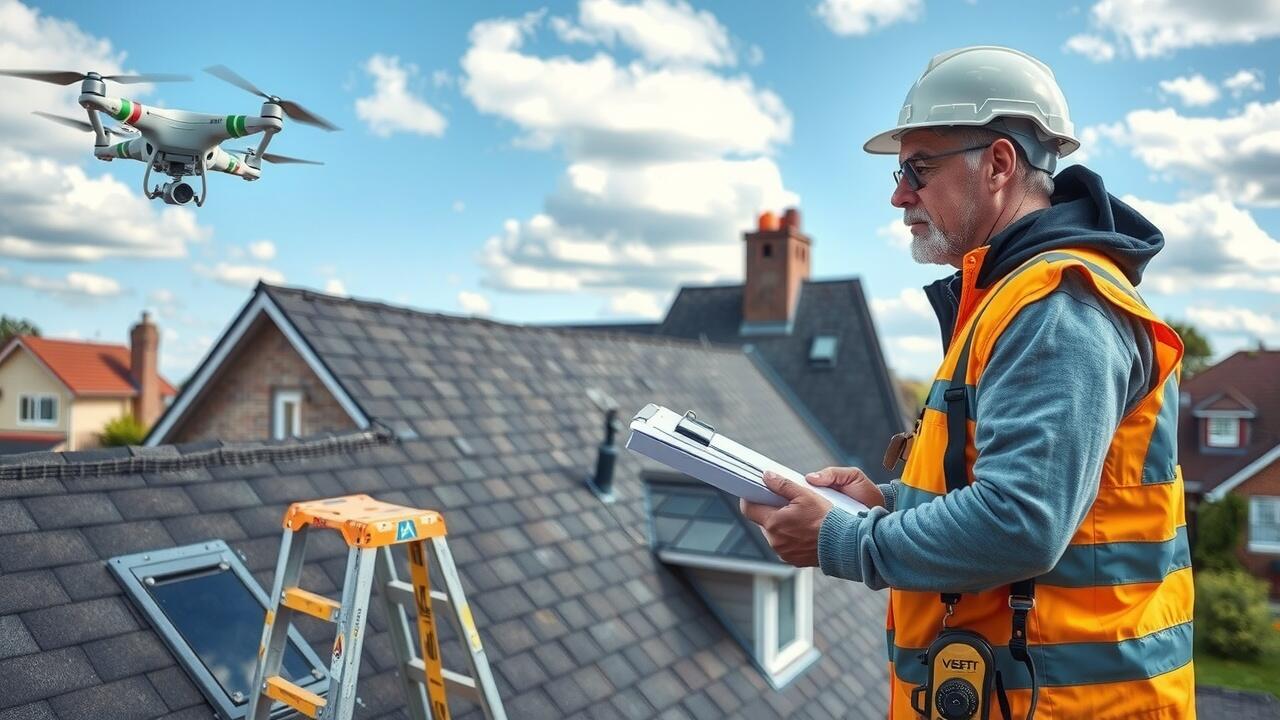
During a roof inspection, a qualified professional will assess both the exterior and interior aspects of your roof. This typically includes examining shingles, flashing, gutters, and ventilation systems. The inspector will look for signs of damage or wear, checking for issues like cracked shingles, missing tiles, or rusted flashing. Interior checks may involve inspecting the attic for leaks, ensuring there is no mold growth, and verifying that insulation is properly installed.
The inspector will also use a checklist to ensure that all critical areas are evaluated thoroughly. Common checklist items may include assessing the condition of the chimney, examining the roof's drainage system, and looking for any potential obstructions that could impact the roof's performance. By following a comprehensive approach during the roof inspection, the professional aims to provide a clear picture of the roof's current condition and any necessary repairs or maintenance.
Common Checklist Items
A roof inspection typically includes an evaluation of various structural and compositional elements that contribute to the overall health of the roof. Inspectors will closely examine shingles for signs of wear or damage, looking for missing, cracked, or curling materials. Other crucial aspects include the condition of the flashing around chimneys, vents, and skylights, as these areas are prone to leaks. Inspectors also assess the gutters and downspouts to ensure they are clear of debris, which can affect water drainage and lead to future problems.
The underside of the roof, particularly in the attic space, is equally important in a roof inspection. Inspectors will check for signs of moisture, mold, or pest infestations that may compromise the integrity of the roofing structure. Additionally, they will evaluate the insulation's condition, as inadequate insulation can lead to energy loss and increased utility bills. Inspectors often use a checklist to ensure that all these critical components are systematically evaluated to provide a comprehensive report.
DIY Roof Inspection vs. Professional Services
Homeowners often consider conducting a DIY roof inspection to save on costs and gain firsthand knowledge of their roofing system. By examining their roof, individuals can identify visible problems, such as missing shingles, leaks, or debris accumulation. Simple tools like binoculars or a camera can assist in spotting potential issues from the ground or a safe distance. However, without professional training, a homeowner may overlook more subtle signs of damage or deterioration that could lead to larger problems in the future.
In contrast, hiring a professional roofing service brings expertise and a trained eye to the roof inspection process. Professionals typically follow a comprehensive checklist to evaluate the roof thoroughly, identifying not only visible issues but also underlying concerns that may not be apparent to an untrained observer. Their knowledge of various roofing materials and potential problem areas can help ensure that the report is accurate and detailed. While this service does incur a cost, the investment provides peace of mind and can prevent costly repairs down the line.
Pros and Cons of Each Approach
When considering a DIY roof inspection, one significant advantage is cost savings. Homeowners can avoid the expense of hiring a professional, making it an appealing option for those on a tight budget. Additionally, undertaking the inspection personally allows homeowners to become familiar with their roofs and identify specific areas of concern. However, the lack of expertise can lead to missed issues that could develop into larger problems later. Without proper training, evaluating the roof's condition accurately can be challenging.
On the other hand, professional roof inspections offer a level of experience and knowledge that is often unmatched by a DIY approach. Certified roofing professionals utilize specialized tools and thorough checklists to identify problems that an untrained eye might overlook. They can also provide insight into potential maintenance needs. The downside to hiring a professional is the associated cost, which can vary based on the complexity of the roof and the inspector's experience. Ultimately, the decision between DIY and professional services depends on the homeowner's comfort level and budget constraints.
FAQS
How much does a typical roof inspection report cost?
The cost of a roof inspection report can vary widely, typically ranging from $100 to $400, depending on factors such as the size and slope of the roof, the location, and the roofing professional's experience.
Are there additional fees associated with roof inspections?
Yes, some roofing professionals may charge additional fees for services like detailed reporting, drone inspections, or if the inspection reveals extensive damage that requires further evaluation.
How often should I have a roof inspection done?
It is generally recommended to have a roof inspection conducted at least once a year, as well as after significant weather events or if you notice any signs of damage.
Can I get a roof inspection report for free?
Some roofing companies may offer free inspections as a promotional service, but be cautious and ensure you understand what is included and if there are any strings attached.
Is it worth paying for a professional roof inspection?
Yes, investing in a professional roof inspection can help identify potential issues early, which can save you money in the long run by preventing costly repairs or replacements later.