Table Of Contents
Benefits of Installing Siding
Siding replacement can significantly enhance a home's aesthetic appeal and overall value. Choosing the right material and style can elevate curb appeal, attracting potential buyers and making a lasting impression on visitors. An updated exterior not only transforms the look of a house but also reflects a commitment to maintenance and care, which can influence property assessments in a positive way.
Moreover, siding serves a functional purpose beyond appearance. Quality siding materials provide insulation, helping to regulate indoor temperatures and reduce energy costs. By opting for modern siding solutions, homeowners can ensure better protection against the elements, thereby reducing the likelihood of costly repairs in the future. Investing in siding replacement is a strategic decision that benefits both the immediate look of the home and its longevity.
Enhancing Home Value and Curb Appeal
Installing new siding can significantly enhance a home's aesthetic appeal. Fresh siding provides a uniform look that can transform an otherwise outdated facade into a modern masterpiece. The choice of colors, materials, and styles allows homeowners to express their personal tastes while appealing to potential buyers. A well-maintained exterior creates a favorable first impression, making the property stand out in the neighborhood.
In addition to aesthetics, siding replacement can also increase the overall value of a home. Many homebuyers are willing to pay a premium for properties that require minimal immediate renovations. New siding contributes to a sense of security and durability, as it protects the underlying structure from the elements. Investing in high-quality siding can result in a substantial return on investment, making it a smart choice for homeowners looking to boost both value and curb appeal.
DIY vs. Professional Installation
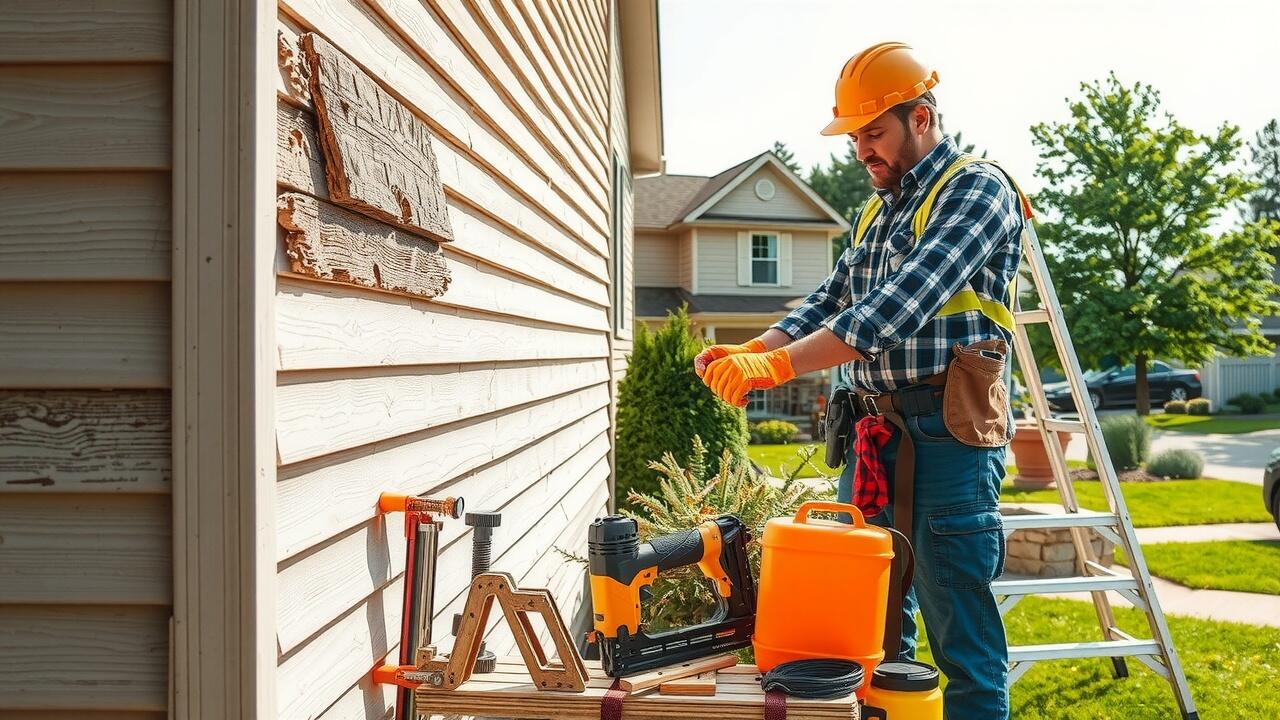
Homeowners often weigh the options between DIY siding replacement and hiring a professional. Undertaking the project oneself can lead to significant savings on labor costs. Many find satisfaction in completing the task independently, gaining a sense of accomplishment. However, this approach demands a considerable investment of time, skills, and tools. Mistakes can lead to costly repairs down the line and may compromise the integrity of the structure if not executed properly.
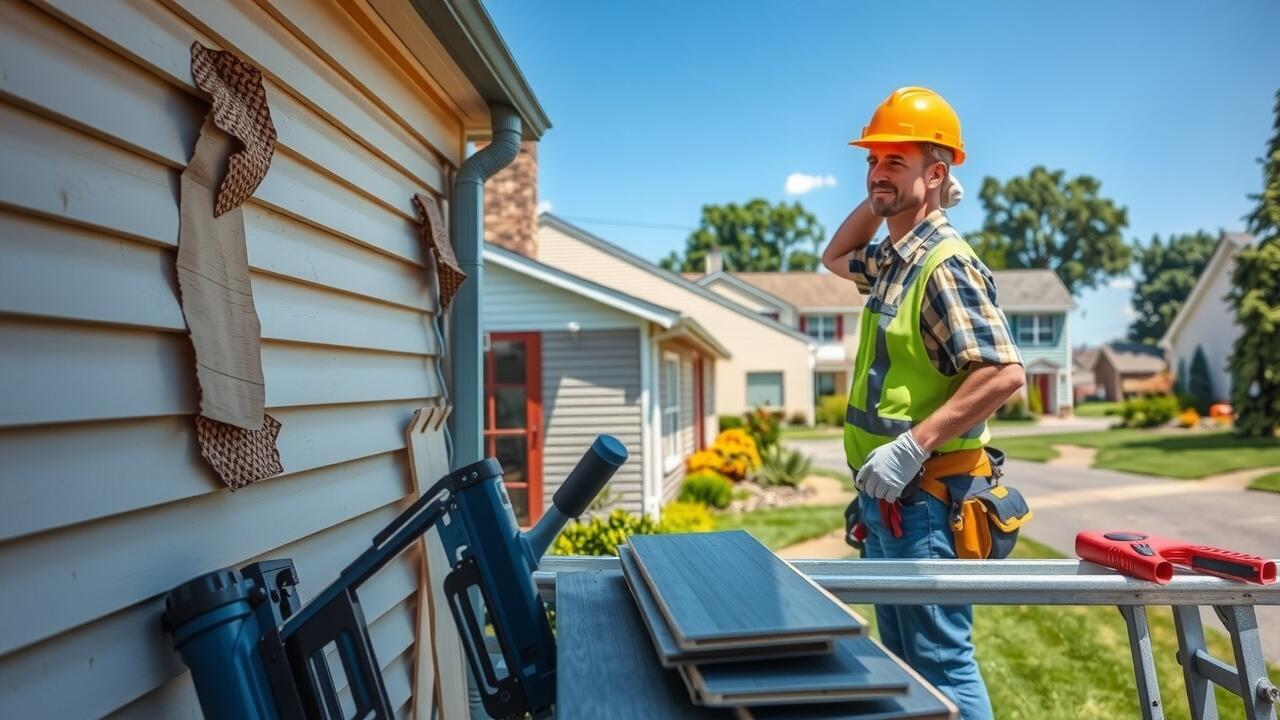
On the other hand, professional installation typically guarantees a higher standard of workmanship. Experts come equipped with specialized tools and experience, leading to a faster and often more thorough job. This option may seem pricier upfront, but it can save money in the long run by reducing potential issues arising from improper installation. Many professionals also offer warranties on their work, providing peace of mind that DIY efforts might lack. Balancing immediate costs with long-term benefits is crucial for homeowners considering siding replacement.
Cost Comparisons and Considerations
When evaluating the overall cost of siding replacement, it's essential to consider both material and labor expenses. Different siding materials come with varying price points, from vinyl and wood to fiber cement. Each option has its unique advantages, which can influence long-term value. Labor costs can also fluctuate based on geographic location and the complexity of the installation. Homeowners should factor in these elements when budgeting for a project.
In addition to the initial costs, homeowners should think about the long-term implications of siding replacement. While cheaper materials may save money upfront, they may require more frequent maintenance or replacement, leading to higher costs down the line. Investing in high-quality materials may have a larger initial outlay but can result in greater durability and lower maintenance needs over time. Balancing initial expenses with future savings is a key consideration in the decision-making process.
Long-Term Savings with Siding
Siding replacement offers significant long-term savings for homeowners. Quality siding materials often provide better insulation, leading to reduced energy bills over time. An efficient siding system can keep homes warmer in the winter and cooler in the summer, resulting in lower heating and cooling costs.
Additionally, well-maintained siding requires less frequent repairs and upkeep compared to other exterior materials. This durability means fewer expenses related to replacement or maintenance. Investing in quality siding can enhance a home's protection against the elements, extending the lifespan of both the siding and the underlying structure.
Energy Efficiency and Maintenance
Energy efficiency is a significant advantage of modern siding materials. Many options available today offer excellent insulation properties, reducing energy consumption in heating and cooling. This can lead to lower utility bills over time. Homeowners investing in siding replacement may notice a marked improvement in their overall energy efficiency, especially if they choose products specifically designed to enhance thermal performance.
Maintenance requirements can vary widely among siding materials. Some choices, like vinyl, require minimal upkeep, while others, such as wood, may demand regular staining or painting to maintain their appearance. When considering siding replacement, it is essential to evaluate not only the initial costs but also the long-term maintenance and care associated with different materials. Selecting a low-maintenance option can save time and money in the long run.
FAQS
How much does it typically cost to install 1000 sq ft of siding?
The cost to install 1000 sq ft of siding can vary widely depending on the type of siding material chosen, labor costs, and location. On average, homeowners might expect to pay between $5,000 and $15,000.
What factors influence the cost of siding installation?
Several factors can influence the cost of siding installation, including the type of siding material (vinyl, wood, fiber cement, etc.), local labor rates, the condition of the existing structure, and any required permits or additional work.
Can I save money by installing siding myself?
Yes, DIY installation can save you labor costs. However, it’s important to consider your skill level, the tools required, and the potential for mistakes that may lead to additional expenses. Professional installation often guarantees better results.
What are the long-term savings associated with siding?
Long-term savings with siding can come from improved energy efficiency, reduced maintenance costs, and increased home value. Properly installed siding can lower heating and cooling bills over time.
Is siding a good investment for my home?
Yes, siding is generally considered a good investment as it enhances curb appeal, protects your home from the elements, and can significantly improve its resale value when installed properly.