Table Of Contents
Types of Roofing Services Available
Roofing contractors in Newark, NJ, offer a variety of services to meet the diverse needs of homeowners and businesses. Common options include roof installation, repair, and replacement. Each project is tailored to the specific requirements of the building and local climate. For those looking to extend the lifespan of their roofs, professionals also provide roof maintenance services, which help identify and address minor issues before they escalate.
Additionally, emergency services are available for unexpected damage, especially after severe weather events. Contractors often specialize in specific types of roofing systems, including asphalt shingles, metal roofs, and flat roofing solutions. Each service aims to ensure the roof remains functional and safe, contributing to the overall integrity of the structure. Regular roof maintenance plays a crucial role in preventing leaks and minimizing long-term repair costs.
Comparison of Material Options
When selecting roofing materials, homeowners often consider durability, cost, and aesthetics. Asphalt shingles are one of the most popular choices due to their affordability and ease of installation. Metal roofing offers a longer lifespan and is resistant to extreme weather conditions, making it an attractive option for those seeking longevity. Tiles and slates can provide a classic look but typically come at a higher price point. Each material has its unique properties that impact not only the installation process but also the overall roof maintenance after installation.
Wood shingles and shakes provide a natural appearance but require regular treatment to maintain their integrity over time. Meanwhile, synthetic materials, such as modified bitumen and rubber roofing, are gaining traction, especially for flat roofs. They often require less maintenance and can be more environmentally friendly. Evaluating the various characteristics of these materials helps homeowners make informed decisions that align with both their budget and maintenance capabilities.
Guarantees and Warranties
When selecting a roofing contractor, understanding the guarantees and warranties they offer is crucial. A solid warranty can protect homeowners from unforeseen expenses, particularly in the event of a defective product or poor workmanship. Many reputable contractors provide both material warranties and labor warranties. Material warranties cover the roofing products used, while labor warranties ensure the installation has been done correctly. Homeowners should carefully review the specifics, including the duration of coverage and what is included.
Regular roof maintenance is essential for prolonging the life of a roof and can also affect warranty validity. Some manufacturers require homeowners to adhere to specific maintenance schedules to keep their warranties in force. Proper documentation of these maintenance activities can be invaluable, especially when a claim is necessary. Understanding the interplay between warranties and maintenance obligations helps homeowners make informed decisions regarding their roofing investment.
Understanding Coverage Terms
When evaluating roofing guarantees and warranties, understanding coverage terms is crucial for homeowners. Different contractors offer various types of warranties that may cover materials, labor, or both. Some warranties may provide coverage for a specific period, while others might extend for the lifetime of the product. Homeowners should take the time to read the fine print and ensure they comprehend what is covered and what is excluded. This knowledge can avoid potential misunderstandings down the line.
Roof maintenance is also an essential factor to consider when assessing coverage. Many warranties require regular maintenance to remain valid. If a contractor specifies that routine inspections or upkeep must be conducted, homeowners should factor this into their decision-making process. Failing to adhere to these terms could result in voiding the warranty. Being proactive about roof maintenance can extend the life of the roof and ensure that any issues are addressed promptly.
Safety Practices in Roofing
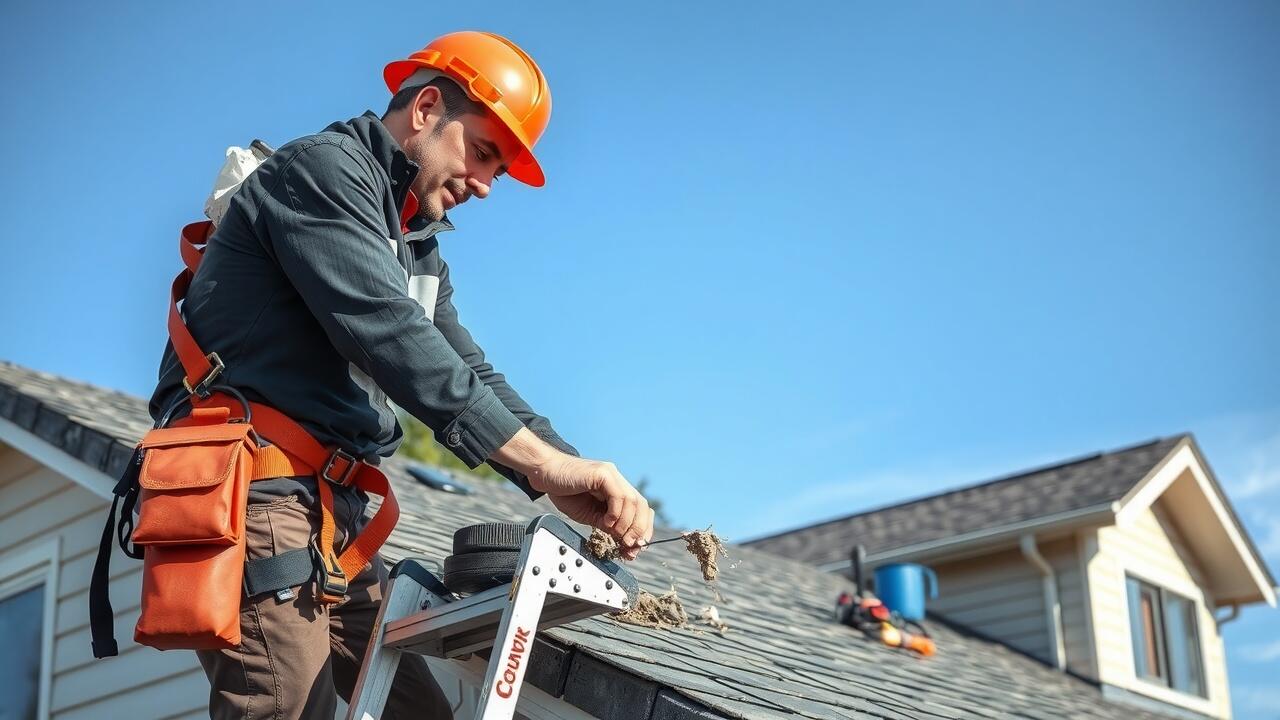
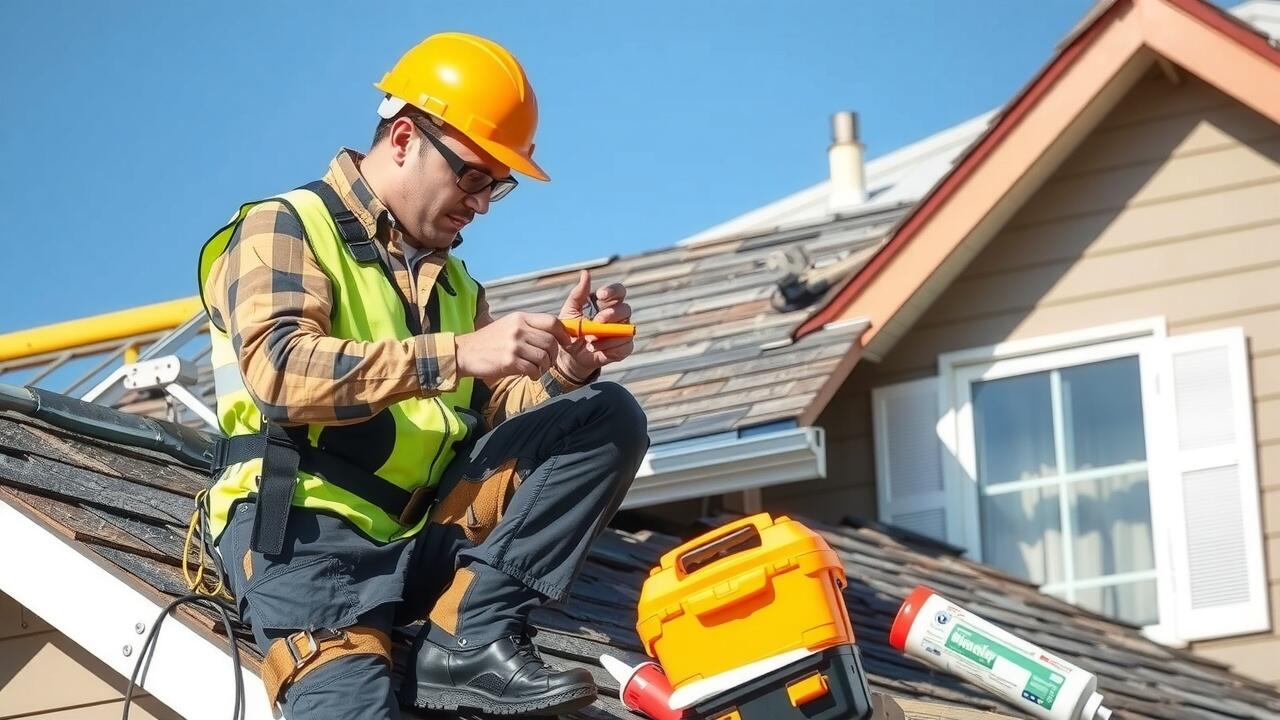
Safety practices in roofing are critical to ensuring the well-being of workers on job sites. Providers prioritize training and certifications for their crews to handle various roofing tasks safely. Hard hats, fall protection harnesses, and proper footwear are standard throughout the industry. A clear understanding of safety protocols helps minimize accidents and injuries.
Roof maintenance plays a significant role in safety as well. Regular inspections and repairs can prevent potential hazards that may arise from neglect. Contractors often implement routine checks to identify and address issues early. By maintaining roofs effectively, workers can avoid dangerous situations, leading to a safer work environment overall.
Importance of Worker Protection
Worker protection in roofing is essential to ensure the safety and well-being of the crew on every project. Roofing is inherently hazardous, with risks such as falls, equipment accidents, and exposure to severe weather conditions. A reliable contractor implements rigorous safety protocols, providing training and necessary personal protective equipment. This emphasis on safety not only protects workers but also contributes to the overall quality and efficiency of roof maintenance.
Investing in worker protection demonstrates a contractor's commitment to providing a safe working environment. When workers feel secure, they are more likely to perform at their best. Proper safety measures help minimize accidents and delays, which can impact roof maintenance schedules. Contractors who prioritize worker safety not only safeguard their team but also enhance their reputation within the community, instilling trust in potential clients.
FAQS
What are the different types of roofing services offered by contractors in Newark, NJ?
Roofing contractors in Newark typically offer a range of services including roof installation, repair, maintenance, and inspection. They may also provide specialized services such as emergency repairs and gutter installation.
How do I choose the best roofing material for my home?
Choosing the best roofing material depends on several factors including your budget, aesthetic preferences, climate conditions, and the structure of your home. Common options include asphalt shingles, metal roofing, tile, and slate, each with its own benefits and drawbacks.
What should I look for in a roofing warranty?
When reviewing roofing warranties, it’s essential to consider the coverage terms, duration, and what specific issues are covered. Look for warranties that cover both materials and workmanship, and understand any limitations or conditions that may apply.
How can I ensure the roofing contractor I hire practices safety?
To ensure safety practices, ask potential contractors about their safety protocols, training, and insurance coverage. A reputable contractor will prioritize worker safety and be compliant with local regulations and OSHA guidelines.
Are there any specific regulations that roofing contractors in Newark need to follow?
Yes, roofing contractors in Newark must comply with state and local building codes, obtain necessary permits, and follow safety regulations as mandated by OSHA. It’s advisable to check if the contractor is licensed and insured for added peace of mind.