Table Of Contents
Materials Used in Roof Repairs
The materials used in roof repairs can significantly impact the outcome and longevity of the job. Asphalt shingles remain one of the most popular choices due to their affordability and ease of installation. They offer a good balance of durability and aesthetic appeal. For flat or low-sloped roofs, materials like TPO (thermoplastic polyolefin) and EPDM (ethylene propylene diene terpolymer) are often selected for their waterproofing capabilities and energy efficiency. These options provide vital protection against the elements, ensuring that the roof repair will withstand various weather conditions.
In addition to shingles and membranes, flashing plays a crucial role in roof repairs. This material is typically made of metal and is installed around chimneys, vents, and joints to prevent water leaks. Additionally, underlayment is often used as a protective layer beneath the main roofing material. It serves as a barrier against moisture and adds an extra layer of insulation. Selecting the right combination of these materials can ensure that the roof repair addresses current issues and enhances overall roof resilience.
Common Roofing Materials and Their Benefits
Asphalt shingles are one of the most widely used roofing materials in the United States. They offer a balance of affordability and durability, making them a popular choice for many homeowners. Available in a variety of colors and styles, asphalt shingles can suit different architectural designs. They are relatively easy to install and replace during roof repair, which helps maintain lower labor costs.
Metal roofing has gained popularity due to its long lifespan and resistance to extreme weather conditions. It can withstand strong winds, heavy rain, and snow without compromising its structural integrity. Furthermore, metal roofs are energy-efficient, reflecting solar heat to help reduce cooling costs in warmer months. Choosing metal for a roof repair can enhance the overall longevity and performance of a home.
Duration of the Roof Repair
The duration of a roof repair can vary widely based on several factors specific to each project. Typically, minor repairs may take only a few hours, especially if they involve simple fixes like replacing shingles or sealing leaks. In contrast, more extensive work, such as repairing structural damage or replacing a significant portion of the roof, may require several days to complete. Weather conditions and the availability of materials also play a crucial role in determining how long the roof repair will take.
Additionally, the skill and experience of the roofing team can impact repair duration. A well-staffed crew with the right tools will likely finish a job more efficiently than a smaller team. It’s important to account for potential delays due to unforeseen issues that may arise during the repair process. Homeowners should be prepared for a timeline that may shift as the work progresses, so communication with the roofing contractor is essential to understand and adapt to any changes.
Factors Affecting Repair Time
Several factors can influence the duration of a roof repair. The extent of the damage typically plays a significant role, as more extensive issues require additional labor and materials. Weather conditions also affect timelines; rainy or windy days can delay the work, while favorable weather helps keep the project on schedule. The type of roofing material being repaired contributes to the time frame as well, with some materials requiring more intricate handling.
Accessibility is another crucial factor impacting roof repair duration. If the roof is difficult to access due to its height or surrounding structures, the repair process may take longer. Additionally, the experience level of the roofing crew can influence how efficiently the work is completed. An experienced team can navigate challenges more effectively, potentially reducing the overall repair time.
Safety Precautions During Repairs
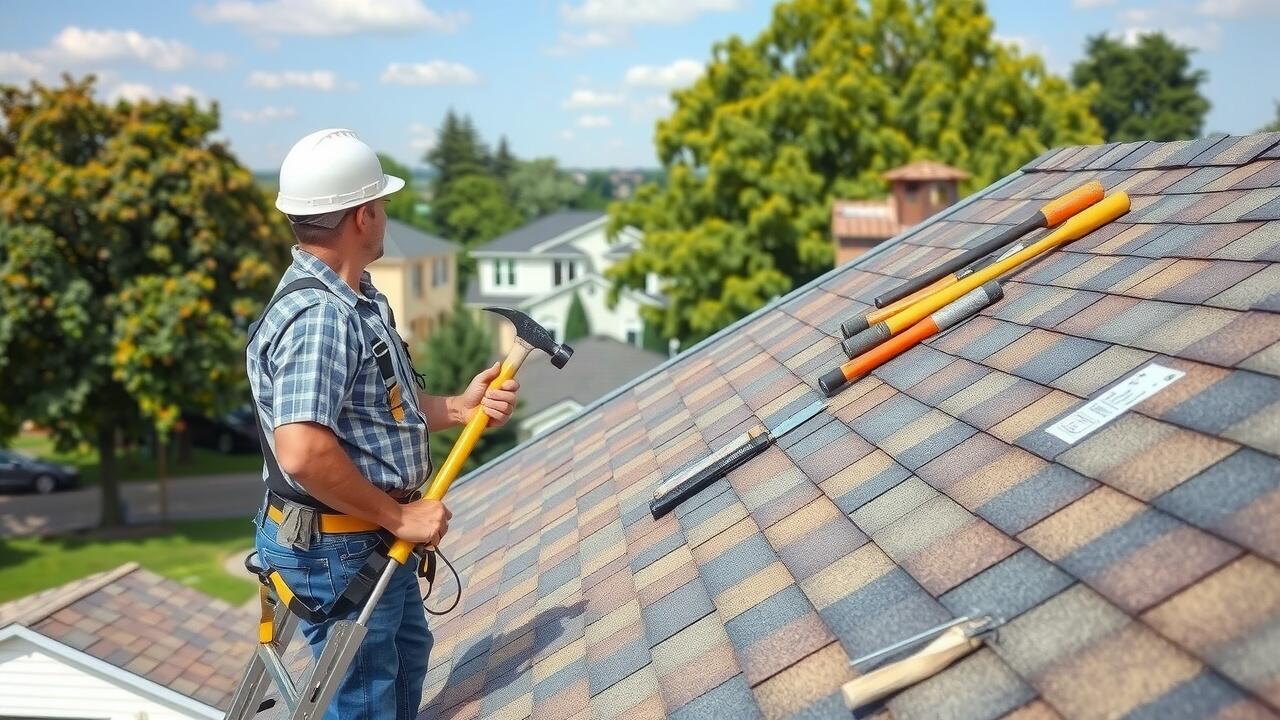
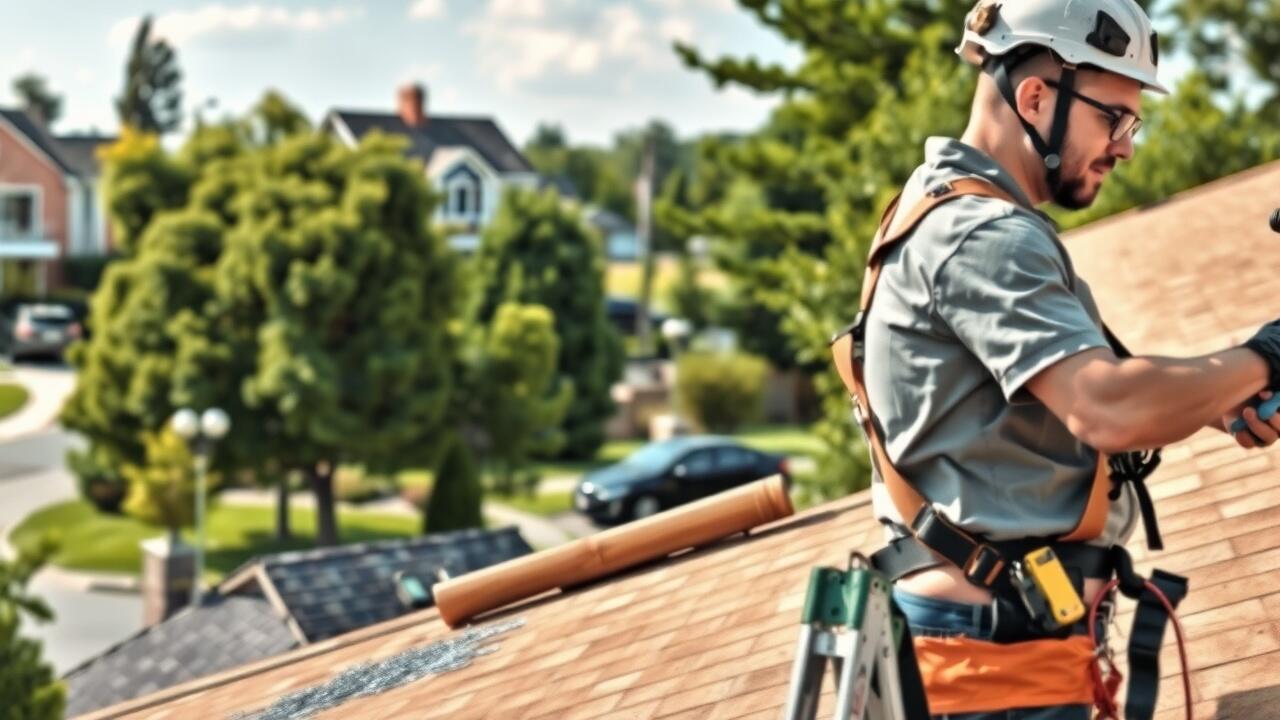
Safety precautions during roof repair are essential to protect both workers and homeowners. Proper training and use of personal protective equipment such as helmets, harnesses, and non-slip footwear can significantly reduce the risk of accidents. Additionally, ensuring that tools and materials are in good condition prevents injuries caused by equipment failure. Clear communication among the roofing team fosters a safer working environment.
Environmental factors must also be considered to ensure safety during roof repair. Weather conditions like strong winds or rain can make roofing tasks hazardous. It is crucial to assess the surroundings for potential hazards, such as power lines or unstable structures. By implementing these safety measures, the risk associated with roof repair can be minimized, leading to a more effective and secure project.
Understanding Safety Protocols for Roofing
Safety is a paramount consideration during roof repair due to the inherent risks involved. Workers must wear appropriate personal protective equipment, including helmets, non-slip footwear, and harnesses when working at heights. Proper scaffolding or ladders should be used to ensure stability and prevent falls. It’s important to assess weather conditions before commencing work, as rain or wind can increase hazards on the roof.
In addition to individual safety gear, teams should follow established safety protocols to create a secure working environment. Clearly marking off the perimeter of the work area helps prevent accidents. Additionally, conducting a safety briefing before starting the repair process fosters communication among crew members about potential dangers and emergency procedures. Ensuring that all tools and materials are organized and secure further minimizes risks associated with roof repair.
FAQS
What materials are commonly used in roof repairs?
Common materials used in roof repairs include asphalt shingles, metal panels, wood shakes, and tiles. Each material has its own benefits, such as durability, cost-effectiveness, and aesthetic appeal.
How long does a roof repair typically take?
The duration of a roof repair can vary widely based on the extent of the damage, the type of materials used, and weather conditions. Generally, minor repairs can take a few hours to a day, while more extensive repairs may take several days.
What factors can affect the time it takes to complete a roof repair?
Factors affecting repair time include the size of the roofing area, the complexity of the repair, the type of roofing materials, weather conditions, and the availability of labor.
What safety precautions should be taken during roof repairs?
Safety precautions during roof repairs include using proper safety gear such as helmets and harnesses, ensuring the work area is clear of hazards, and adhering to safety protocols established by professionals.
How can I ensure that my roof repair is done safely and effectively?
To ensure a safe and effective roof repair, it is advisable to hire licensed professionals who are experienced in roofing work, follow local building codes, and utilize appropriate safety measures throughout the repair process.